Key Insights from the GLRI 2025
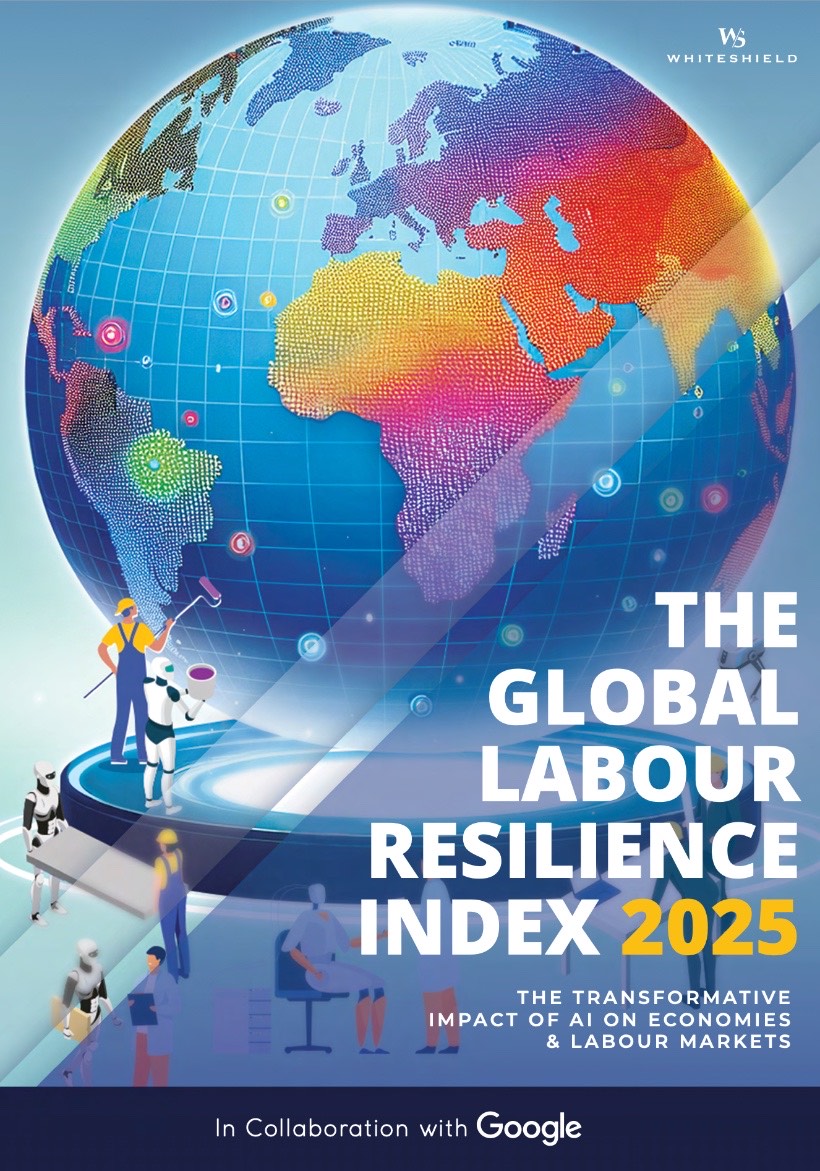
The report emphasises how AI is transforming labour markets, showing that the strongest economies combine traditional policies with strategic investments in AI and advanced data strategies. The United States and Singapore lead the 2025 rankings on the strength of their entrepreneurial spirit, adaptable labour markets, and focus on AI innovation. Sweden closely follows, backed by its investments in education and research.
Countries in South Asia, the Middle East, and North Africa (MENA) are also progressing, with India, the UAE, and Saudi Arabia gaining from AI-related initiatives. However, the gap between top-performing and struggling nations continues to grow, leaving regions like Sub-Saharan Africa particularly vulnerable.
The Dual Impact of AI: Opportunities and Challenges
AI is creating opportunities to improve how we work, making jobs more accessible, efficient, and higher-quality, and opening up new careers, from designing how people interact with AI systems, to building ethical guidelines for AI use, to organising AI data. It also brings challenges: some jobs are displaced, pay gaps can widen, and job security can feel less certain. The report stresses the importance of thoughtful planning and policy so that everyone benefits from these advancements.
GLRI Highlights
- United States, leads in AI investment and innovation, with 60% of global AI investment over the past decade and a quarter of the world's AI startups.
- Singapore, combines strong governance with strategic AI investments, excelling in governance, digital skills, and entrepreneurship.
- Sweden, demonstrates resilience through substantial investment in education and research.
- Sub-Saharan Africa, despite structural challenges, the region's young, growing population presents the potential for an AI-driven leap in resilience.
- MENA, shows progress in AI adoption, with GCC nations outperforming others in the region.
A Call to Action
Advances in technology, especially AI, have unlocked the potential to personalise services, a space where the private sector leads while the public sector lags behind. By leveraging AI and data, governments can shift from one-size-fits-all approaches to citizen-centric policymaking, tailoring interventions to specific population segments. Tools like centralised data hubs, advanced analytics for archetype design, and modern digital delivery platforms empower policymakers to create smart, personalised policies. Initiatives such as Whiteshield and Google's Job Accelerator exemplify how governments can embrace this new era of tailored, inclusive policymaking.
The report urges governments and leaders to adopt AI-driven strategies tailored to the needs of their people, and to invest in the digital tools and education that build stronger, more adaptable job markets. Without action, gaps between communities may grow, vulnerable groups could lose out, and opportunities for progress might be missed. Now is the moment to use AI's power to create job markets that are fair, inclusive, and full of opportunity for everyone.